
- The Uninvited Guest: Understanding the Broad Fish Tapeworm
- The Tapeworm's Appetite: Why B12 is Targeted
- The Indirect Impact on Iron Absorption
- Recognizing the Symptoms
- Diagnosis and Treatment
- Prevention is Paramount
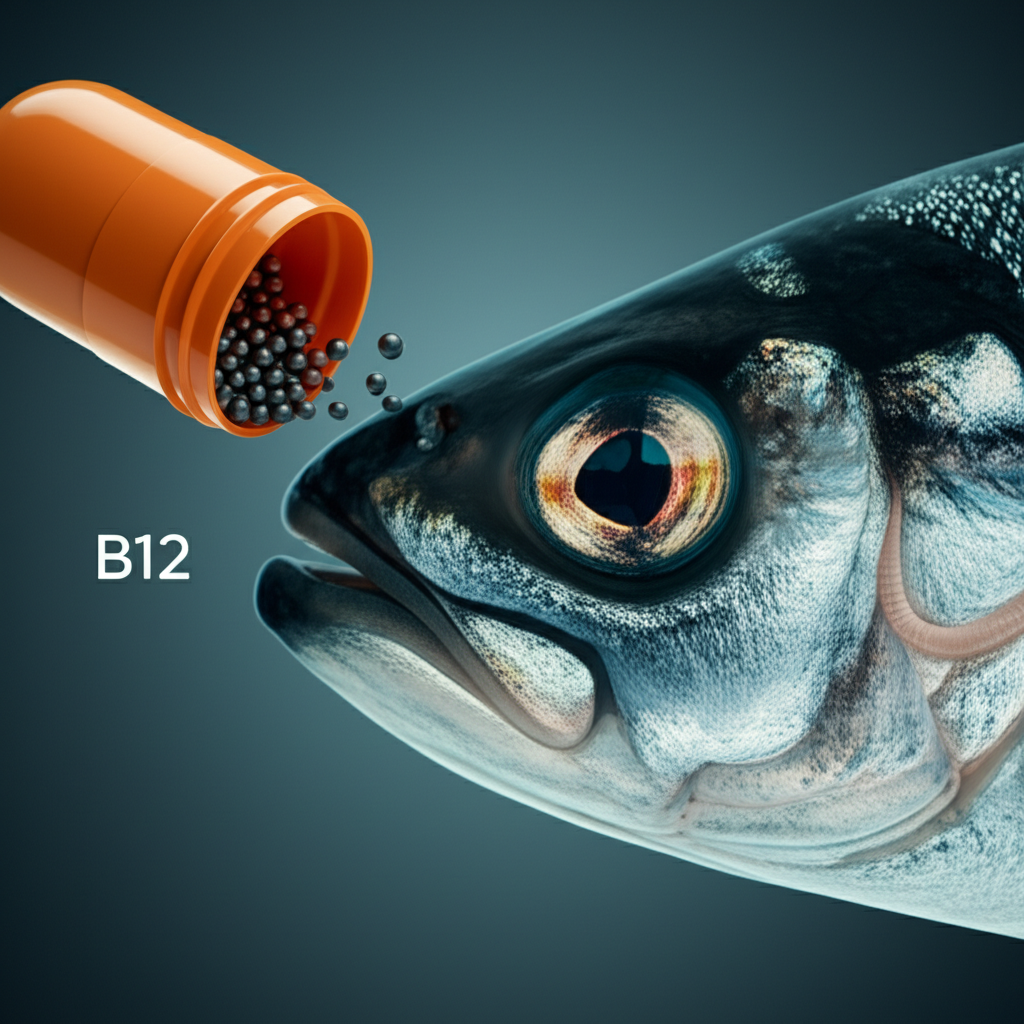
B12 deficiency, alongside iron deficiency, represents a serious health concern that, surprisingly, can often be traced back to an unwelcome guest: the fish tapeworm. While these essential nutrients are vital for countless bodily functions, a parasitic infestation by Diphyllobothrium latum, commonly known as the broad fish tapeworm, can severely disrupt their absorption, leading to a cascade of debilitating health issues. Understanding this intricate and often overlooked connection is crucial for effective diagnosis, treatment, and prevention.
The Uninvited Guest: Understanding the Broad Fish Tapeworm
The broad fish tapeworm (Diphyllobothrium latum) is one of the largest human parasites, capable of growing up to 10 meters (33 feet) long and surviving for decades within the host’s small intestine. It is primarily found in regions where people consume raw or undercooked freshwater fish, such as pike, perch, and salmon. Common geographical areas include Scandinavia, Russia, North America (especially the Great Lakes region), parts of Europe, and Asia.
Humans typically contract the infection by ingesting pleurocercoid larvae present in the muscle tissue of infected raw or undercooked fish. Once consumed, these larvae mature into adult tapeworms, attaching to the intestinal wall and beginning their reproductive cycle, shedding thousands of eggs daily via the host’s feces. While many infections are asymptomatic, a significant proportion of individuals will develop nutritional deficiencies, primarily impacting vitamin B12 and, sometimes, iron.
The Tapeworm’s Appetite: Why B12 is Targeted
The broad fish tapeworm has a particularly voracious appetite for B12, also known as cobalamin. This is the cornerstone of its parasitic strategy and the primary reason it causes such profound vitamin deficiencies. The tapeworm actively competes with its human host for dietary B12, absorbing it directly from the host’s intestinal lumen. Studies have shown that a single adult tapeworm can absorb up to 80% of the ingested B12 meant for the human host.
This competitive absorption is highly efficient, leaving little for the human body to utilize. B12 is essential for several critical bodily functions, including:
Red Blood Cell Formation: It’s vital for DNA synthesis needed to produce healthy red blood cells in the bone marrow.
Neurological Function: B12 helps maintain the myelin sheath, which insulates nerve fibers and ensures efficient nerve signal transmission.
DNA Synthesis: Essential for cell division and growth throughout the body.
Without sufficient B12, the body’s ability to produce mature red blood cells is impaired, leading to megaloblastic anemia. This condition is characterized by abnormally large, immature red blood cells that cannot function effectively, resulting in fatigue, weakness, shortness of breath, and pallor. Furthermore, chronic B12 deficiency can lead to severe and potentially irreversible neurological symptoms, including numbness, tingling, difficulty walking, memory problems, and even psychiatric disturbances.
The Indirect Impact on Iron Absorption
While the fish tapeworm’s direct competitive absorption primarily targets B12, its presence can indirectly contribute to iron deficiency in several ways.
Firstly, the prolonged megaloblastic anemia caused by B12 deficiency can sometimes mask or complicate the assessment of co-existing iron deficiency. Both conditions lead to anemia, and the symptoms can overlap.
Secondly, severe or prolonged tapeworm infestations can sometimes cause localized inflammation or microscopic bleeding in the intestinal lining where the tapeworm is attached. While not as direct or significant as the B12 malabsorption, chronic low-grade blood loss can deplete iron stores over time, particularly in individuals with already borderline iron intake.
Finally, the overall poor gastrointestinal health and altered nutrient absorption dynamics created by a persistent parasite can simply reduce the efficiency of iron uptake, even if not directly consumed by the tapeworm itself. The resulting iron deficiency leads to iron-deficiency anemia, characterized by microcytic (small) and hypochromic (pale) red blood cells, exacerbating fatigue, weakness, and impairing cognitive function and immune response.
Recognizing the Symptoms
Identifying the presence of a fish tapeworm and the resulting deficiencies requires vigilance, as symptoms can vary widely and often mimic other conditions. Common signs to watch for include:
General Fatigue and Weakness: A hallmark of both B12 and iron deficiency anemia.
Pale Skin and Mucous Membranes: Another classic sign of anemia.
Neurological Symptoms (specifically B12 deficiency): Numbness or tingling in hands and feet, difficulty walking, memory loss, depression, irritability, and even psychosis.
Gastrointestinal Distress: Abdominal discomfort, diarrhea, constipation, or unexplained weight loss are direct symptoms of the tapeworm itself.
Glossitis: A swollen, red, beefy tongue, common in B12 deficiency.
Shortness of Breath and Dizziness: Due to reduced oxygen-carrying capacity of the blood.
Pica: Cravings for non-nutritive substances like ice or dirt (more common in iron deficiency).
Diagnosis and Treatment
Diagnosing a fish tapeworm infection typically involves a stool sample examination to identify the characteristic eggs or even segments of the tapeworm. Blood tests will confirm the presence and severity of B12 and iron deficiencies. These tests usually include a complete blood count (CBC) to check for anemia, B12 levels, folate levels (often checked concurrently), and iron studies (ferritin, serum iron, transferrin saturation).
Treatment is fortunately straightforward and highly effective. A single dose of powerful anti-parasitic medication, such as praziquantel or niclosamide, will eliminate the tapeworm. Once the parasite is expelled, B12 and iron levels typically begin to normalize with appropriate supplementation, tailored to the individual’s needs. This may include oral B12 supplements, B12 injections for severe deficiencies and to quickly replenish stores, and iron supplements, often requiring several months to fully restore depleted reserves. Dietary counseling to include B12-rich foods (meat, dairy, fortified cereals) and iron-rich foods (red meat, legumes, leafy greens) is also vital for long-term recovery.
Prevention is Paramount
Preventing fish tapeworm infection is the most effective way to avoid these debilitating deficiencies. Key strategies include:
Thorough Cooking: Always cook freshwater fish to an internal temperature of at least 145°F (63°C) to kill any parasites.
Proper Freezing: If consumed raw (e.g., sushi/sashimi), fish should be frozen solid at -4°F (-20°C) or below for at least 7 days, or at -31°F (-35°C) or below until solid and stored at -31°F (-35°C) for 15 hours, to kill viable larvae.
Safe Food Handling: Prevent cross-contamination between raw fish and other foods.
Avoid Raw Fish from Unsafe Sources: Be cautious about consuming raw or lightly cured fish from unknown or potentially contaminated freshwater sources.
In conclusion, the broad fish tapeworm presents a significant yet often overlooked threat to human health, predominantly through its ability to cause severe B12 and, indirectly, iron deficiencies. Awareness of this parasitic infection, its symptoms, and preventive measures is essential. Prompt diagnosis and treatment can swiftly resolve both the infestation and the resulting nutritional deficiencies, restoring health and preventing long-term complications. If symptoms of anemia or neurological issues arise, particularly after consuming raw or undercooked fish, seeking medical advice is crucial.
0 Comments