
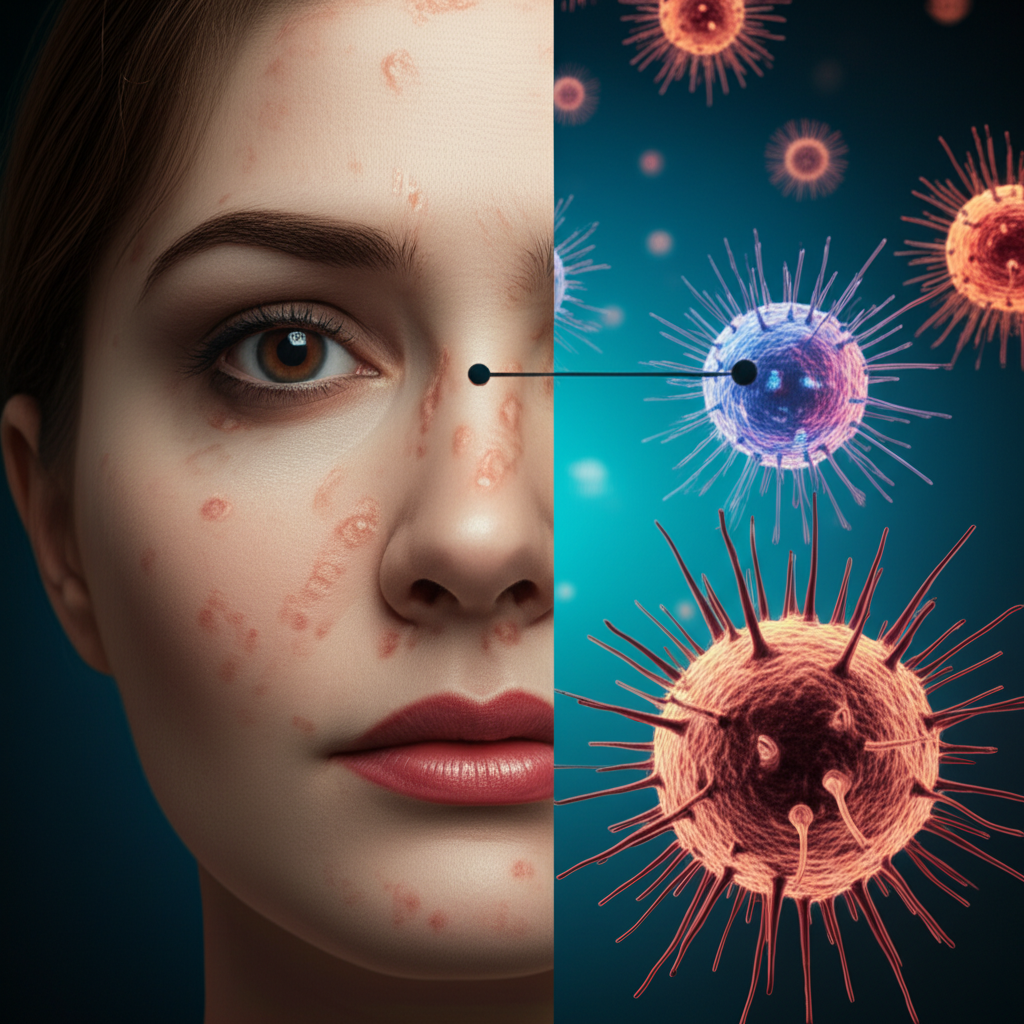
- The Silent Scourge: Understanding Vitamin Deficiencies
- Key Vitamins and Their Pivotal Roles in Immune Health
- Vitamin Deficiency and Leishmania: Beyond the Common Cold
- Vitamins Deficiency and Leishmania: A Critical Defense Against Leishmania
- Identifying and Addressing Vitamin Deficiencies
- Prevention is Key: A Proactive Approach to Nutritional Health
Vitamins are far more than just dietary supplements. They are the unsung heroes of our physiology. However, emerging global health data reveals a critical link between vitamin deficiency and leishmania susceptibility. While these compounds bolster our immune systems, their absence creates a “silent scourge.” Consequently, this leaves the body vulnerable to severe parasitic infections that devastate millions worldwide.
The Silent Scourge: Understanding Vitamin Deficiencies
A vitamin deficiency occurs when the body lacks a particular nutrient. This usually happens due to poor diet, impaired absorption, or increased physical requirements. Often, these deficiencies are insidious because they develop gradually with subtle symptoms. For this reason, many people overlook these signs until they escalate into significant health issues.
Over time, nutritional gaps compromise bone health, vision, and neurological function. Moreover, they significantly weaken the immune response. Common deficiencies include Vitamin D, Vitamin B12, Iron, and Vitamin A. Each carries unique risks; nevertheless, a common thread linking them is a weakened defense system. This makes the body vulnerable to pathogens, highlighting the danger of vitamin deficiency and leishmania complications.
Key Vitamins and Their Pivotal Roles in Immune Health
A robust immune system is our primary defense against bacteria, viruses, and parasites. This network relies heavily on a steady supply of specific vitamins to function.
-
Vitamin A: Crucial for mucosal barriers. In addition, it supports T-cells and B-cells.
-
Vitamin C: A powerful antioxidant. Furthermore, it protects immune cells and enhances phagocyte function.
-
Vitamin D: Often called “the sunshine vitamin.” It is a potent immunomodulator that regulates T cells.
-
Vitamin E: Protects cell membranes. Therefore, it is vital for immune cell integrity.
-
B-Complex Vitamins: These support energy metabolism. Specifically, B6 and B12 are vital for lymphocyte production.
As a result of these missing nutrients, the immune system falters. Its ability to recognize and clear pathogens is significantly compromised.
Vitamin Deficiency and Leishmania: Beyond the Common Cold
General immune suppression often leads to frequent colds. However, severe nutritional gaps leave individuals susceptible to more devastating infections. Leishmaniasis is a neglected tropical disease caused by protozoan parasites. It is transmitted through the bite of infected sandflies.
The disease manifests in various forms. Cutaneous leishmaniasis causes disfiguring sores. Visceral leishmaniasis, or “black fever,” attacks internal organs. This systemic form is fatal if left untreated. Understanding the link between vitamin deficiency and leishmania is vital for global health.
Vitamin Deficiency and Leishmania: A Critical Defense Against Leishmania
The scientific community now recognizes the connection between nutrition and Leishmaniasis. A well-nourished host fights the parasite more effectively. Conversely, nutritional gaps worsen the disease and hinder treatment. In fact, specific nutrients play crucial roles in this defense:
-
Vitamin A Deficiency (VAD): VAD impairs immunity. Consequently, it reduces the body’s ability to activate macrophages.
-
Vitamin D Deficiency: Adequate levels help kill parasites. In contrast, low levels potentially lead to more chronic forms of the disease.
-
Antioxidant Vitamins (C & E): These help mitigate oxidative stress. Otherwise, deficiencies create an environment that favors parasite survival.
In short, a lack of vital nutrients disarms the immune system. This transforms a manageable infection into a dangerous ordeal. Addressing vitamin deficiency and leishmania risks must be a priority for vulnerable populations.
Identifying and Addressing Vitamin Deficiencies
Recognizing a deficiency can be challenging. Symptoms like fatigue or mood changes are often non-specific. However, more specific signs exist, such as night blindness or bone pain.
The first step is a professional medical consultation. Therefore, a doctor should order blood tests for an accurate diagnosis. Treatment involves dietary modifications and a focus on nutrient-dense foods. In some cases, prescribed supplementation is necessary. Nevertheless, always seek medical guidance to avoid excessive intake.
Prevention is Key: A Proactive Approach to Nutritional Health
Proactive prevention is the best defense against a compromised immune system. This includes:
-
A Balanced Diet: Prioritize whole foods and colorful vegetables.
-
Sun Exposure: Additionally, help your body synthesize Vitamin D naturally.
-
Fortified Foods: Utilize products enriched with essential nutrients.
-
Regular Check-ups: Consequently, you can identify deficiencies early.
In endemic regions, nutritional status is critical. Furthermore, public health education can improve resilience against pathogens. In conclusion, vitamins are fundamental to a healthy lifestyle. The risk of vitamin deficiency and leishmania serves as a stark reminder of the link between diet and immunity. Prioritizing nutrients is a powerful step towards building a robust immune system.
Further Reading & External Resources
To learn more about the critical link between nutrition and parasitic diseases, explore these authoritative resources:
-
Leishmaniasis Fact Sheet – World Health Organization (WHO) – A comprehensive global overview of the disease, its forms, and prevention strategies.
-
The Role of Vitamins in Immune Function – National Institutes of Health (NIH) – An in-depth scientific look at how specific micronutrients bolster the body’s natural defenses.
-
Leishmaniasis: Diagnosis and Prevention – Centers for Disease Control and Prevention (CDC) – Detailed information on symptoms and how to protect yourself from sandfly-borne infections.
-
Understanding Vitamin Deficiency Anemia – Mayo Clinic – A guide to identifying the symptoms and long-term health risks of nutritional gaps.
0 Comments